
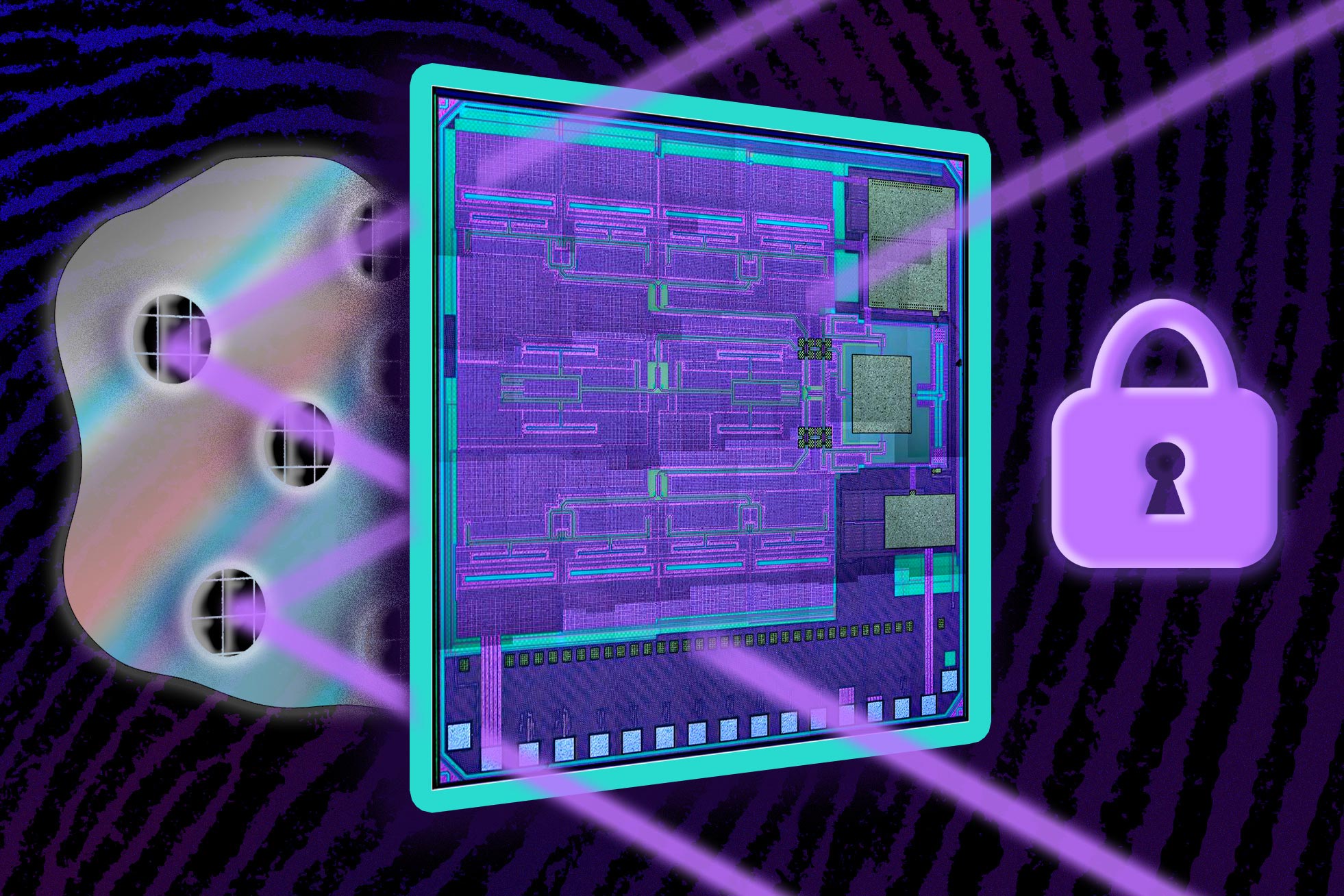
Imagine a world where your digital secrets are as secure as a diamond locked in a vault. That’s the promise of cryptography – a fascinating realm where math meets mystery, protecting your data from prying eyes. Ready to dive in?
We live in an age of relentless data breaches and privacy concerns. Everyday tasks like online banking, sending emails, or even using social media, expose us to vulnerabilities. The constant threat of unauthorized access, data manipulation, and identity theft weighs heavily on our digital lives.
This exploration aims to demystify cryptographic security. We'll unravel its core principles, showcasing how it safeguards our online world. We'll journey from the historical roots of encryption to its modern applications, empowering you with the knowledge to understand and appreciate its vital role in our digital society.
Cryptography, at its heart, is about ensuring confidentiality, integrity, and authenticity. From Caesar ciphers to advanced encryption standards (AES), the evolution of cryptography is a testament to humanity's ingenuity in protecting information. It's the bedrock of secure communication, e-commerce, and digital identity. Join us as we uncover its secrets and learn how to harness its power!
The Building Blocks of Encryption
My first real encounter with cryptography wasn't in a textbook, but in a video game. As a kid, I stumbled upon a hidden message that required decoding. The sheer satisfaction of cracking that simple cipher ignited a lifelong fascination with the subject. That experience taught me a valuable lesson: cryptography isn't just about complex algorithms; it's about problem-solving and critical thinking.
Encryption, at its core, transforms readable data (plaintext) into an unreadable format (ciphertext). This transformation uses an algorithm and a key. Decryption reverses this process, turning ciphertext back into plaintext using the correct key. The strength of an encryption method hinges on the complexity of the algorithm and the secrecy of the key. Symmetric-key cryptography uses the same key for both encryption and decryption (like AES), while asymmetric-key cryptography uses a pair of keys – a public key for encryption and a private key for decryption (like RSA). The choice between symmetric and asymmetric cryptography depends on the specific application and the need for key exchange.
What is Hashing?
Imagine you need to verify if a file has been tampered with. Hashing algorithms provide a clever solution. A hash function takes any input data and produces a fixed-size output called a hash value. This hash acts like a digital fingerprint of the data. Even a tiny change in the input will result in a drastically different hash value. Therefore, if you compare the hash of the original file with the hash of a downloaded file, you can immediately detect any modifications.
Hash functions are one-way, meaning it's computationally infeasible to reverse the process and obtain the original data from the hash value. Popular hashing algorithms include SHA-256 and MD5 (although MD5 is now considered insecure for many applications). Hashing plays a crucial role in password storage, digital signatures, and data integrity checks. It's a fundamental tool in ensuring the authenticity and reliability of digital information.
Cryptography: History and Myths
The history of cryptography stretches back centuries, with early examples found in ancient civilizations. The Caesar cipher, used by Julius Caesar, involved shifting letters in the alphabet to encrypt messages. While simple, it demonstrated the fundamental principle of transforming information to conceal its meaning. Throughout history, cryptography has played a vital role in warfare, diplomacy, and espionage.
One common myth is that cryptography is unbreakable. While modern algorithms are incredibly strong, they are not impervious to attacks. Cryptanalysis, the art of breaking codes, is a constantly evolving field. Vulnerabilities can arise from weaknesses in the algorithm, implementation errors, or compromised keys. The ongoing battle between cryptographers and cryptanalysts drives innovation and the development of more robust security measures. Staying ahead of potential threats requires continuous research and adaptation.
The Hidden Secrets of Cryptographic Security
One of the less talked about, yet critical, aspects of cryptographic security is key management. A strong encryption algorithm is useless if the key is compromised. Securely generating, storing, and distributing keys is paramount. Key management systems (KMS) are often employed to manage cryptographic keys throughout their lifecycle.
These systems provide features like key generation, storage, rotation, and destruction. Best practices for key management include using strong random number generators, storing keys in secure hardware modules (HSMs), and implementing access control policies. Regular key rotation, changing keys periodically, further reduces the risk of compromise. Neglecting key management can expose systems to significant vulnerabilities, regardless of the strength of the encryption algorithms used.
Recommendations for Cryptographic Security
When implementing cryptographic security, a layered approach is recommended. This involves combining multiple security measures to create a more robust defense. For example, using encryption to protect data at rest and in transit, coupled with strong authentication mechanisms and access control policies.
Regularly auditing and penetration testing your security systems can help identify vulnerabilities and weaknesses. Staying up-to-date with the latest security patches and software updates is crucial to address known vulnerabilities. Educating users about phishing attacks and social engineering techniques is also essential, as these are often the weakest links in the security chain. Remember, security is not a one-time fix but an ongoing process that requires continuous vigilance and adaptation.
Choosing the Right Algorithm
Selecting the appropriate cryptographic algorithm depends on the specific requirements of the application. Factors to consider include the sensitivity of the data, the performance requirements, and the level of security needed. For example, AES is widely used for encrypting data at rest due to its speed and strong security. RSA is often used for key exchange and digital signatures. Elliptic Curve Cryptography (ECC) offers a good balance of security and performance, making it suitable for mobile devices and other resource-constrained environments.
It's also important to choose algorithms that are widely supported and well-vetted by the security community. Avoid using proprietary or obscure algorithms, as they may not have undergone sufficient scrutiny. Stay informed about the latest recommendations and best practices from reputable security organizations. Regularly review and update your cryptographic algorithms as needed to keep pace with evolving threats.
Tips for Unlocking the Power
Start with understanding the fundamentals. Don't try to implement complex cryptographic solutions without a solid grasp of the underlying principles. Learn about different encryption algorithms, hashing functions, and key management techniques.
Utilize established libraries and frameworks. Avoid implementing cryptographic algorithms from scratch, as this is prone to errors and vulnerabilities. Instead, leverage well-tested and widely used libraries like Open SSL or Bouncy Castle. Follow security best practices. Adhere to industry standards and guidelines for secure coding and configuration. Conduct thorough testing and validation. Rigorously test your cryptographic implementations to ensure they function correctly and are resistant to attacks. Stay informed about the latest threats and vulnerabilities. Continuously monitor security news and advisories to stay ahead of potential threats and update your systems accordingly. Consider formal training and certifications. Pursuing formal training and certifications in cryptography can enhance your knowledge and skills.
Understanding Salt and Pepper
In the context of password storage, "salt" and "pepper" are crucial security measures. A salt is a random value added to each password before it is hashed. This prevents attackers from using precomputed hash tables (rainbow tables) to crack passwords. Each password has a unique salt, making it more difficult to crack multiple passwords even if they share the same password.
Pepper, on the other hand, is a secret value that is added to all passwords before they are hashed. Unlike salt, which is stored with the password, pepper is kept separate and secret. This provides an additional layer of security, as attackers would need to compromise both the password database and the pepper to crack the passwords. Using both salt and pepper significantly strengthens password security.
Fun Facts About Cryptographic Security
Did you know that the Enigma machine, used by the Germans during World War II, was broken by Allied codebreakers, playing a crucial role in the war's outcome? The story of Alan Turing and his team at Bletchley Park is a testament to the power of human ingenuity in the face of cryptographic challenges.
Another fun fact: the first public-key cryptography system, RSA, was named after its inventors Rivest, Shamir, and Adleman. They published their algorithm in 1977, revolutionizing the field of cryptography. Cryptography is not just about hiding secrets; it's also about enabling trust and secure communication in a digital world. It's a fascinating field with a rich history and a promising future.
How to Unlocking the Power
Start by identifying your specific security needs. What data do you need to protect? What are the potential threats? Once you have a clear understanding of your requirements, you can begin to select the appropriate cryptographic tools and techniques.
Utilize readily available resources. There are numerous online courses, tutorials, and documentation available to help you learn about cryptography. Experiment with different algorithms and tools. Don't be afraid to try out different cryptographic techniques to see what works best for your needs. Collaborate with security experts. If you're unsure about how to implement cryptographic security, seek guidance from experienced security professionals. Continuously learn and adapt. The field of cryptography is constantly evolving, so it's important to stay up-to-date with the latest trends and technologies.
What if Unlocking the Power
Imagine a world without cryptographic security. Online transactions would be impossible, as there would be no way to securely transmit financial information. Email communication would be vulnerable to interception and eavesdropping. Digital identities would be easily forged, leading to widespread fraud and identity theft.
The internet as we know it would cease to exist. Cryptography is the foundation upon which our digital society is built. It enables trust, security, and privacy in an increasingly interconnected world. Without it, our digital lives would be chaotic and vulnerable. Understanding and appreciating the importance of cryptographic security is crucial for protecting ourselves and our data in the digital age.
Listicle of Unlocking the Power
1.Encrypt sensitive data at rest and in transit.*Protect your data from unauthorized access by encrypting it using strong algorithms like AES.
2.Implement strong authentication mechanisms.*Use multi-factor authentication to verify the identity of users accessing your systems.
3.Regularly update your software and systems.*Stay up-to-date with the latest security patches to address known vulnerabilities.
4.Use a password manager to generate and store strong passwords.*Avoid using weak or reused passwords, which are easily cracked.
5.Be wary of phishing attacks and social engineering techniques.*Educate yourself and your users about these common threats.
6.Implement access control policies to limit access to sensitive data.*Only grant users the minimum level of access necessary to perform their tasks.
7.Regularly audit and penetration test your security systems.*Identify and address vulnerabilities before attackers can exploit them.
8.Develop a comprehensive incident response plan.*Prepare for the inevitable security breach by having a plan in place to respond quickly and effectively.
Question and Answer
Q: What is the difference between encryption and hashing?
A: Encryption is a two-way process, allowing you to convert data into an unreadable format and then decrypt it back to its original form. Hashing, on the other hand, is a one-way process. You can convert data into a hash value, but you cannot reverse the process to obtain the original data.
Q: What is a digital signature?
A: A digital signature is a cryptographic technique used to verify the authenticity and integrity of a digital document. It uses asymmetric-key cryptography, where the sender uses their private key to sign the document, and the receiver uses the sender's public key to verify the signature.
Q: What is multi-factor authentication (MFA)?
A: MFA is a security measure that requires users to provide multiple forms of authentication to verify their identity. This typically involves something you know (password), something you have (security token or smartphone), and something you are (biometric data).
Q: What are some common cryptographic vulnerabilities?
A: Common vulnerabilities include weak encryption algorithms, insecure key management practices, implementation errors, and susceptibility to side-channel attacks. Staying up-to-date with the latest security recommendations is crucial for mitigating these risks.
Conclusion of Unlocking the Power of Cryptographic Security
Cryptography is an essential cornerstone of our digital world, providing the security and trust necessary for online communication, commerce, and privacy. Understanding its principles and best practices is crucial for individuals and organizations alike. By embracing cryptographic security, we can protect our data, safeguard our identities, and build a more secure digital future. The journey into cryptography might seem daunting at first, but the rewards – a safer and more secure digital experience – are well worth the effort.

