
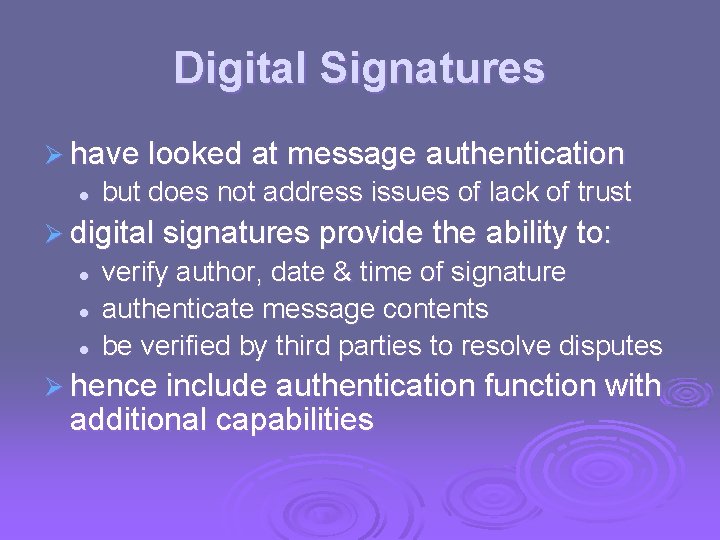
Ever sent an email and wondered if the recipient truly knows it came from you, unaltered? In our increasingly digital world, trust is paramount, especially when it comes to online transactions, legal documents, and sensitive information. How can we be sure that a digital message or file is authentic and hasn't been tampered with?
We often rely on passwords and usernames to access our online accounts, but these can be vulnerable. Documents are easily copied and manipulated, leaving us exposed to fraud and misrepresentation. Consider the frustration of a contract being disputed because its authenticity is questioned, or the worry of your personal information being compromised in a data breach. There's a real need for robust security measures that ensure data integrity and verifiable identity.
This is where digital signatures and authentication come in. They provide a powerful way to verify the authenticity and integrity of digital documents and communications. But how do they actually work, and why are they so important? In this post, we'll break down the process of digital signatures and authentication, exploring the technology behind them and highlighting their crucial role in securing our digital world.
In short, we'll cover what digital signatures and authentication are, how they utilize cryptography, their real-world applications, and why they are essential for trust and security in our digital age. Key concepts will include public key infrastructure (PKI), hashing algorithms, and the importance of certificate authorities. Understanding these concepts helps you navigate the digital landscape with greater confidence and security.
Understanding Digital Signatures: A Personal Anecdote
I remember the first time I encountered the practical implications of digital signatures. I was working on a project involving sensitive client data, and our legal team insisted on digitally signing all outgoing reports. Initially, it seemed like an unnecessary hurdle, a technical complication added to an already complex process. But as I delved deeper, I began to appreciate the security and peace of mind it provided. Knowing that each report was cryptographically sealed, guaranteeing its integrity and authenticity, was incredibly reassuring.
A digital signature is essentially a digital fingerprint that's unique to both the document and the signer. It uses a type of cryptography called public key infrastructure (PKI). Each user has a private key, which they keep secret, and a corresponding public key, which they share with others. When you digitally sign a document, your private key is used to create a signature that's attached to the document. The recipient can then use your public key to verify that the signature is valid and that the document hasn't been altered since it was signed. This process relies on hashing algorithms, which create a unique "fingerprint" of the document. If even a single character in the document is changed, the hash will be different, and the signature will be invalid.
The beauty of this system is that it ensures non-repudiation – the signer cannot deny having signed the document. The digital signature acts as undeniable proof of their involvement. Digital signatures are used in a wide variety of applications, from securing email communications to signing legal contracts and software updates. They are essential for building trust and confidence in the digital world.
The Core Components of Digital Authentication
Digital authentication is the process of verifying that someone is who they claim to be online. It's the digital equivalent of showing your ID to prove your identity. Digital authentication methods vary in complexity and security, but they all aim to establish a user's legitimacy before granting them access to a system or resource.
The most common form of digital authentication is username and password. While simple to implement, this method is notoriously vulnerable to hacking and phishing attacks. Stronger authentication methods, such as multi-factor authentication (MFA), add an extra layer of security by requiring users to provide multiple forms of identification. This could include something they know (password), something they have (security token or smartphone), or something they are (biometric data like a fingerprint or facial scan). Biometric authentication is rapidly gaining popularity due to its enhanced security and user-friendliness.
Digital certificates also play a crucial role in authentication. Websites use SSL/TLS certificates to encrypt communications between the user's browser and the server, preventing eavesdropping and ensuring data privacy. These certificates are issued by trusted certificate authorities (CAs), which verify the website's identity before issuing the certificate. When you see the padlock icon in your browser's address bar, it indicates that the website is using a valid SSL/TLS certificate and that your connection is secure. Authentication is paramount to safeguarding personal information, financial transactions, and sensitive data in the digital realm.
A Brief History and Myths Surrounding Digital Signatures
The concept of digital signatures has been around since the 1970s, with early ideas emerging from public-key cryptography. The first widely recognized algorithm was the RSA algorithm, developed in 1977 by Rivest, Shamir, and Adleman. However, it wasn't until the late 1990s and early 2000s that digital signatures began to gain widespread adoption, driven by the growth of the internet and the increasing need for secure online transactions.
One common myth is that digital signatures are simply scanned images of handwritten signatures. This is absolutely false. Digital signatures rely on complex cryptographic algorithms and are far more secure than a simple image. Another misconception is that digital signatures are only necessary for high-value transactions. While they are certainly important in those contexts, they can also be valuable for securing internal documents, email communications, and software updates, adding an extra layer of protection against tampering and fraud.
The legal framework surrounding digital signatures has also evolved over time. Many countries now have laws recognizing the validity and enforceability of digital signatures, often with specific requirements for the type of signature and the issuing certificate authority. The European Union's e IDAS regulation, for example, establishes a standardized framework for electronic identification and trust services across member states. Understanding the history and dispelling the myths surrounding digital signatures is crucial for appreciating their true value and potential in our digital society.
Unlocking the Hidden Secrets of Secure Authentication
One of the most underappreciated aspects of secure authentication is the importance of a strong password policy. Many organizations fall short in this area, allowing users to create weak passwords that are easily cracked. A robust password policy should enforce complexity requirements (e.g., minimum length, uppercase letters, numbers, symbols), require regular password changes, and prohibit the reuse of previous passwords.
Another hidden secret is the use of password managers. These tools generate and securely store strong, unique passwords for each of your online accounts, relieving you of the burden of remembering dozens of complex passwords. Password managers also help protect against phishing attacks by automatically filling in your credentials only on legitimate websites.
Beyond passwords, behavioral biometrics is emerging as a promising authentication method. This technology analyzes a user's unique patterns of behavior, such as typing speed, mouse movements, and gait, to identify them. Behavioral biometrics can be used to continuously authenticate users throughout a session, providing an extra layer of security that's invisible to the user. By implementing these hidden secrets, organizations and individuals can significantly enhance their authentication security and protect themselves against a wide range of cyber threats.
Recommendations for Implementing Digital Signatures and Authentication
When implementing digital signatures, start by selecting a reputable certificate authority (CA). The CA is responsible for verifying your identity and issuing digital certificates, so it's crucial to choose one that's trusted and reliable. Consider the specific requirements of your industry or jurisdiction when selecting a CA, as some may have specific accreditation or compliance standards.
For authentication, prioritize multi-factor authentication (MFA) wherever possible. MFA adds a critical layer of security that can significantly reduce the risk of account compromise. Encourage users to enable MFA on all their online accounts, especially those containing sensitive information. Explore biometric authentication options, such as fingerprint scanners or facial recognition, to further enhance security and user convenience.
Regularly review and update your security policies and procedures. The threat landscape is constantly evolving, so it's essential to stay informed about the latest vulnerabilities and best practices. Conduct regular security audits and penetration tests to identify weaknesses in your systems and address them promptly. By following these recommendations, you can build a robust and secure digital signature and authentication framework that protects your organization and your data.
The Role of Public Key Infrastructure (PKI)
Public Key Infrastructure (PKI) is the backbone of digital signatures and many authentication systems. It's a set of roles, policies, hardware, software, and procedures needed to create, manage, distribute, use, store, and revoke digital certificates and manage public-key encryption. At its heart, PKI relies on the concept of public and private key pairs. Each user has a private key, which is kept secret, and a corresponding public key, which is shared with others.
When you digitally sign a document, your private key is used to create a signature that's attached to the document. Anyone with your public key can then verify that the signature is valid and that the document hasn't been altered since it was signed. This process relies on cryptographic algorithms to ensure the security and integrity of the signature. Certificate authorities (CAs) play a crucial role in PKI by issuing and managing digital certificates. These certificates bind a public key to a specific entity, such as a person or organization. When you receive a digital certificate, you can trust that the public key belongs to the entity named in the certificate, provided that you trust the CA that issued the certificate. PKI provides a secure and reliable framework for establishing trust and verifying identities in the digital world.
Without it, secure online transactions, encrypted communications, and trusted software updates would be impossible. PKI is the unsung hero of digital security, working behind the scenes to protect us from fraud and cybercrime.
Essential Tips for Strong Digital Security
To maximize your digital security, keep your software up to date. Software updates often include security patches that address known vulnerabilities. Enable automatic updates whenever possible to ensure that you're always running the latest version of your software.
Be wary of phishing emails and websites. Phishing attacks are designed to trick you into revealing your personal information, such as passwords and credit card numbers. Never click on links or open attachments from unknown senders, and always double-check the URL of a website before entering any sensitive information. Use a reputable antivirus and anti-malware program. These programs can detect and remove malicious software from your computer, protecting you from viruses, spyware, and other threats.
Back up your data regularly. In the event of a data breach or hardware failure, having a recent backup can save you from losing important files. Store your backups in a secure location, preferably offsite. Educate yourself about common security threats and best practices. The more you know about digital security, the better equipped you'll be to protect yourself and your data. Stay informed about the latest security threats and trends, and share your knowledge with others.
The Intersection of Biometrics and Digital Signatures
Biometrics offers an exciting avenue for enhancing the security and usability of digital signatures. Instead of relying solely on passwords or PINs, biometrics uses unique biological traits to verify a user's identity. This can include fingerprints, facial recognition, voice recognition, or even behavioral patterns like typing speed or gait.
Integrating biometrics with digital signatures can provide a stronger level of authentication, making it more difficult for unauthorized individuals to forge or tamper with documents. For example, a user could be required to scan their fingerprint before signing a document digitally. This adds an extra layer of security, ensuring that only the authorized individual can sign the document. Biometrics can also streamline the signing process, making it faster and more convenient for users. Instead of having to remember a complex password, they can simply use their fingerprint or facial scan to sign a document.
However, it's important to consider the privacy implications of using biometrics. Biometric data is highly sensitive and must be protected from unauthorized access and misuse. Organizations that use biometrics for digital signatures should implement strong security measures to protect biometric data and comply with all applicable privacy regulations. The combination of biometrics and digital signatures holds great promise for enhancing the security and usability of digital document signing.
Fun Facts About Digital Signatures
Did you know that the first patent for a digital signature scheme was filed in 1976 by Whitfield Diffie and Martin Hellman, the same cryptographers who invented public-key cryptography? However, their scheme was not practical for widespread use. The first practical digital signature scheme was the RSA algorithm, developed in 1977 by Ron Rivest, Adi Shamir, and Leonard Adleman.
Digital signatures are used in a wide range of applications beyond just signing documents. They are also used to secure software updates, verify the authenticity of websites, and protect online transactions. The legal status of digital signatures varies from country to country. However, many countries now have laws recognizing the validity and enforceability of digital signatures. Some countries even require the use of digital signatures for certain types of legal documents. The longest digital signature ever created was over 20,000 bits long! This signature was used to sign a software update for a military system.
The security of digital signatures relies on the strength of the underlying cryptographic algorithms. As technology advances, it's important to use algorithms that are resistant to attack by hackers and other malicious actors. Digital signatures are constantly evolving to meet the ever-changing security landscape. New algorithms and techniques are being developed to improve the security and usability of digital signatures.
How to Create a Digital Signature
Creating a digital signature typically involves using software or a service that supports digital signatures. Here's a general outline of the process: First, you'll need a digital certificate. You can obtain a digital certificate from a trusted certificate authority (CA). The CA will verify your identity and issue a certificate that contains your public key. Once you have a digital certificate, you can use it to sign documents digitally.
Open the document you want to sign in a compatible software program. Look for a "Sign" or "Digital Signature" option in the menu. The location of this option will vary depending on the software you're using. When prompted, select your digital certificate from the list of available certificates. You may be asked to enter your password or PIN to authorize the signing process. The software will then create a digital signature for the document and attach it to the document. The process involves hashing the document, encrypting the hash with your private key, and attaching the encrypted hash to the document.
Save the signed document. The document will now contain a digital signature that can be verified by others. When someone opens the signed document, their software will automatically verify the digital signature. If the signature is valid, it means that the document hasn't been altered since it was signed and that the signature was created using the private key associated with the certificate. It's important to keep your private key secure, as anyone who has access to it can create digital signatures in your name.
What If Digital Signatures Were Never Invented?
Imagine a world without digital signatures. Online transactions would be far riskier, as there would be no reliable way to verify the authenticity of online agreements and contracts. E-commerce would be crippled, as consumers would be hesitant to make online purchases without assurance that their transactions are secure. Legal documents would be more difficult to enforce, as it would be harder to prove that a document hasn't been tampered with.
Software updates would be a security nightmare, as there would be no way to verify that an update is coming from a legitimate source. Hackers could easily distribute malicious software disguised as legitimate updates. Email communications would be less secure, as it would be easier for attackers to impersonate others and launch phishing attacks. The Internet of Things (Io T) would be even more vulnerable, as there would be no reliable way to authenticate devices and prevent them from being compromised.
In short, a world without digital signatures would be a much less secure and trustworthy place. Digital signatures are an essential tool for building trust and confidence in the digital world. Without them, many of the online activities we take for granted would be far more risky and difficult. The invention of digital signatures has been a major boon for the digital economy and has helped to create a more secure and trustworthy online environment.
Top 5 Benefits of Using Digital Signatures
Here's a quick listicle of the top benefits of digital signatures:
1.Enhanced Security: Digital signatures provide a high level of security, ensuring that documents are authentic and haven't been tampered with. They rely on cryptographic algorithms to protect against forgery and unauthorized modifications.
2.Improved Efficiency: Digital signatures streamline the signing process, eliminating the need for printing, signing, and scanning documents. This saves time and resources, making it easier to conduct business online.
3.Reduced Costs: By eliminating the need for paper, printing, and shipping, digital signatures can significantly reduce costs associated with document signing. They also reduce the risk of errors and delays, further saving time and money.
4.Legal Validity: Digital signatures are legally recognized in many countries, providing the same legal weight as handwritten signatures. This makes them suitable for signing contracts, agreements, and other legal documents.
5.Environmental Friendliness: Digital signatures help to reduce paper consumption, contributing to a more sustainable environment. By eliminating the need for printing, they help to conserve trees and reduce waste.
Question and Answer
Q: What is the difference between a digital signature and an electronic signature?
A: While the terms are often used interchangeably, a digital signature is a specific type of electronic signature that uses cryptography to provide a higher level of security and authenticity. Digital signatures rely on digital certificates and public key infrastructure (PKI), while electronic signatures can be any electronic symbol or process used to sign a document.
Q: Are digital signatures legally binding?
A: Yes, in many countries, digital signatures are legally binding, often carrying the same legal weight as handwritten signatures. However, the specific legal requirements for digital signatures can vary depending on the jurisdiction and the type of document being signed.
Q: How can I verify a digital signature?
A: You can verify a digital signature using software that supports digital signature verification, such as Adobe Acrobat or Microsoft Office. The software will check the validity of the digital certificate and ensure that the document hasn't been altered since it was signed.
Q: What are the risks associated with using digital signatures?
A: The main risk associated with using digital signatures is the potential for compromise of your private key. If your private key is stolen or compromised, someone could use it to forge your digital signature. It's important to protect your private key with a strong password and store it securely.
Conclusion of How Digital Signatures and Authentication Works and Why It’s Important
Digital signatures and authentication are indispensable tools for building trust and security in our digital world. They provide a reliable way to verify the authenticity and integrity of digital documents and communications, protecting us from fraud, tampering, and impersonation. By understanding how these technologies work and implementing them effectively, we can navigate the digital landscape with greater confidence and security. Embracing digital signatures and robust authentication methods is not just a technical necessity but a crucial step towards fostering a more secure and trustworthy digital future.

