
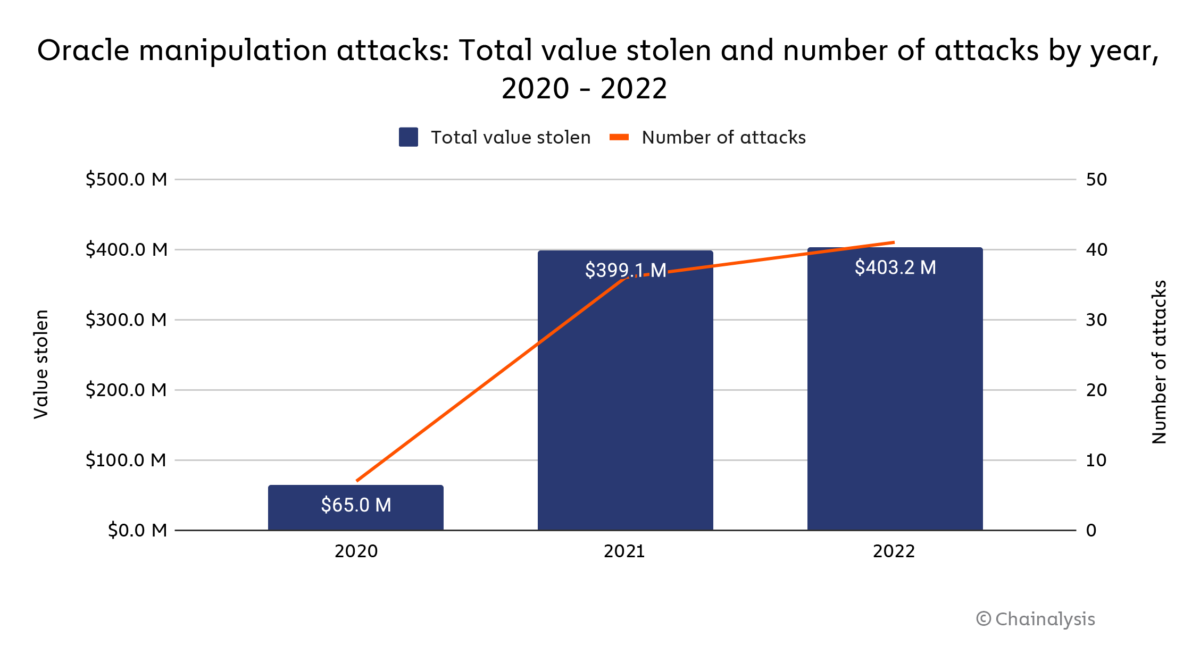
Imagine a world where the information that feeds smart contracts, the very foundation of trustless systems, could be subtly bent, twisted, or outright fabricated. Suddenly, the security you thought you had evaporates, leaving your assets vulnerable. It's a chilling thought, isn't it?
The rise of decentralized applications (d Apps) and blockchain technology has brought immense opportunities, but also exposed a critical vulnerability: the reliance on external data feeds, or oracles. Without proper safeguards, these connections to the real world can become points of attack, jeopardizing the integrity and reliability of the entire system.
This article dives into the top 10 crucial facts you need to know about oracle manipulation, a threat that can undermine the security and trustworthiness of blockchain applications. We'll explore how it works, its potential impact, and the vital steps needed to mitigate these risks.
In this journey, we'll uncover the intricacies of oracle manipulation, exploring its various forms, historical examples, and the techniques used to combat it. We'll delve into the importance of secure oracle design, the use of decentralized oracle networks, and the critical role of ongoing monitoring and auditing. This knowledge is essential for anyone involved in developing, deploying, or using blockchain-based applications.
Fact #1: The Oracle Problem is Fundamental
The "Oracle Problem" isn't just a theoretical concern; it's a fundamental challenge that strikes at the heart of blockchain's promise. I remember once working on a supply chain d App that aimed to track goods from origin to consumer. The entire system relied on oracles to report the location and condition of the goods at various stages. We initially used a single, centralized oracle for simplicity. During a test run, a malicious actor gained access to the oracle and started reporting false data, effectively hijacking the supply chain and rendering the d App useless. This was a stark reminder that even the most elegant blockchain architecture can be undermined by a compromised oracle.
The core of the Oracle Problem lies in the fact that blockchains, by design, are isolated from the external world. They operate on a deterministic, immutable ledger, but they can't directly access off-chain data. Oracles bridge this gap, providing the necessary information to trigger smart contract executions. However, this bridge introduces a single point of failure. If the oracle provides inaccurate or manipulated data, the smart contract will execute based on false premises, leading to unintended and potentially disastrous consequences. This is why understanding and mitigating the Oracle Problem is paramount for the security and reliability of any blockchain application that relies on external data.
Fact #2: Single Oracles are a Huge Risk
Think of a single oracle as a lone gatekeeper, standing between your highly secure fortress (the blockchain) and the wild, unpredictable world (external data sources). If that gatekeeper is bribed, coerced, or simply incompetent, your entire fortress is compromised. The problem with relying on a single source of information is the lack of redundancy and the concentration of power. If that single oracle is compromised, there's no backup, no verification, and no recourse.
This makes single oracles incredibly vulnerable to manipulation. Attackers can target the oracle's data source, intercept and alter the data in transit, or even compromise the oracle's infrastructure directly. Furthermore, single oracles are susceptible to unintentional errors, biases, or outages, which can disrupt smart contract executions and lead to financial losses. Decentralized oracle networks (DONs), which we'll discuss later, offer a much more robust and secure solution by distributing the risk across multiple independent oracles.
Fact #3: Historical Examples of Oracle Manipulation Exist
The concept of oracle manipulation isn't merely theoretical; it has unfortunately manifested in real-world scenarios, serving as cautionary tales for the blockchain community. While specifics are often difficult to confirm due to the opaque nature of some attacks, there have been instances where anomalies strongly suggest oracle manipulation.
One notable example involves a decentralized finance (De Fi) protocol that relied on a single oracle for pricing data. A coordinated attack exploited a vulnerability in the oracle's data feed, causing the price of a specific asset to artificially spike. This allowed the attackers to purchase the asset at a low price on another exchange and then sell it on the De Fi protocol for a significantly inflated price, pocketing a substantial profit. This incident highlighted the dangers of relying on a single oracle and the potential for malicious actors to exploit vulnerabilities in data feeds. These historical occurrences underscore the critical importance of robust oracle security measures and continuous monitoring.
Fact #4: Financial Incentives Drive Manipulation Attempts
At the heart of many oracle manipulation attempts lies the allure of financial gain. Malicious actors are driven by the prospect of exploiting vulnerabilities in oracle systems to extract value from smart contracts. The more valuable the smart contract, the greater the incentive to manipulate the data it relies on. This could involve artificially inflating or deflating prices, triggering premature contract executions, or redirecting funds to unauthorized accounts. Understanding the financial incentives behind oracle manipulation is crucial for designing effective countermeasures.
Consider a prediction market platform where users bet on the outcome of future events. If an attacker can manipulate the oracle that reports the results, they can effectively rig the market in their favor, guaranteeing a winning bet. Similarly, in a lending protocol, an attacker could manipulate the price of a collateral asset to trigger a liquidation event, allowing them to purchase the collateral at a discounted price. By recognizing these potential attack vectors and the financial rewards they offer, developers can prioritize security measures that mitigate the risk of oracle manipulation.
Fact #5: Decentralized Oracle Networks (DONs) Offer a Solution
One of the most effective defenses against oracle manipulation is the use of Decentralized Oracle Networks (DONs). Instead of relying on a single, vulnerable oracle, DONs distribute the responsibility of data retrieval and validation across multiple independent oracles. This significantly reduces the risk of manipulation, as an attacker would need to compromise a majority of the oracles in the network to successfully alter the data feed. Redundancy and consensus are key to DON security.
Furthermore, DONs often employ sophisticated mechanisms such as data aggregation, reputation systems, and economic incentives to ensure the accuracy and reliability of the data they provide. Data aggregation involves combining data from multiple sources and using statistical methods to identify and filter out outliers or malicious data points. Reputation systems track the performance and trustworthiness of individual oracles, rewarding those who consistently provide accurate data and penalizing those who provide inaccurate or malicious data. Economic incentives, such as staking and slashing mechanisms, further discourage malicious behavior and incentivize oracles to act honestly.
Data Aggregation is Crucial
Data aggregation, as mentioned above, is a powerful tool in the arsenal against oracle manipulation. Imagine a scenario where you're trying to determine the current price of Bitcoin. Instead of relying on a single exchange, you collect price data from ten different exchanges. If one exchange reports a drastically different price, it's likely an outlier caused by manipulation or a temporary glitch. By averaging the prices from all ten exchanges, you can significantly reduce the impact of any single manipulated data point. This is the basic principle behind data aggregation.
More sophisticated data aggregation techniques involve weighted averages, median calculations, and outlier detection algorithms. Weighted averages give more weight to data sources that are considered more reliable or have a higher trading volume. Median calculations are less susceptible to outliers than averages. Outlier detection algorithms automatically identify and remove data points that deviate significantly from the norm. By combining these techniques, DONs can create a highly resilient and accurate data feed that is resistant to manipulation. The accuracy of the data feed is highly dependent on the reliability of data aggregation.
Fact #6: Reputation Systems are Important for Oracle Selection
Imagine you need to hire a contractor for a home renovation project. Would you choose the contractor with a stellar reputation, glowing reviews, and a long track record of successful projects, or the one with no experience, negative feedback, and a history of cutting corners? The same principle applies to selecting oracles. Reputation systems play a crucial role in identifying and rewarding reliable oracles while discouraging malicious or incompetent ones.
These systems track various metrics, such as the accuracy of data provided, the uptime of the oracle node, and the responsiveness to data requests. Oracles with a consistently high reputation are more likely to be selected to participate in data feeds, earning them higher rewards and increased trust. Conversely, oracles with a poor reputation may be penalized, excluded from data feeds, or even removed from the network altogether. By incentivizing good behavior and discouraging bad behavior, reputation systems help to ensure the overall integrity and reliability of DONs.
Fact #7: Economic Incentives Can Discourage Malicious Behavior
Think of economic incentives as the "carrots and sticks" of the oracle world. They're designed to align the interests of oracles with the overall health and security of the network. Staking and slashing mechanisms are two common types of economic incentives used in DONs. Staking requires oracles to deposit a certain amount of cryptocurrency as collateral. This collateral serves as a security deposit, which can be slashed (taken away) if the oracle is found to be acting maliciously or providing inaccurate data.
The threat of slashing provides a strong disincentive for oracles to engage in dishonest behavior, as they risk losing their staked funds. Conversely, oracles that consistently provide accurate data are rewarded with additional cryptocurrency, incentivizing them to continue acting honestly. This combination of risks and rewards creates a powerful economic force that promotes the integrity and reliability of the oracle network. By carefully designing these economic incentives, DONs can ensure that oracles are motivated to act in the best interests of the network.
Fact #8: Auditing and Monitoring are Ongoing Necessities
Even with robust DONs and economic incentives, the fight against oracle manipulation is an ongoing process that requires continuous auditing and monitoring. Just as a security system needs regular maintenance and upgrades to stay ahead of evolving threats, oracle systems need constant vigilance to detect and respond to potential vulnerabilities. Auditing involves reviewing the oracle's code, data sources, and security practices to identify any weaknesses that could be exploited. Monitoring involves tracking the oracle's performance and data feeds in real-time to detect any anomalies or suspicious activity.
This includes monitoring data consistency across multiple oracles, tracking the frequency and severity of data discrepancies, and analyzing historical data for patterns that could indicate manipulation attempts. By combining proactive auditing with real-time monitoring, developers can identify and address potential oracle manipulation threats before they can cause significant damage. Continuous vigilance is key to maintaining the integrity and reliability of blockchain applications that rely on external data.
Fact #9: Understand the Different Types of Oracle Attacks
There are several types of attacks that bad actors could use, and knowing the difference is an important step in prevention.
Oracle attacks come in many shapes and sizes, each targeting different aspects of the oracle system. Some common types of attacks include data source manipulation, where attackers compromise the original source of data, such as a price feed or weather API. This allows them to inject false data directly into the oracle's feed, affecting the smart contract execution. Then there's the man-in-the-middle attacks, where attackers intercept and alter data in transit between the data source and the oracle node. This requires sophisticated network interception techniques.
Finally, we have Sybil attacks, where attackers create multiple fake oracle nodes to gain control over a decentralized oracle network. By controlling a majority of the nodes, they can manipulate the data feed and influence smart contract decisions. Understanding these different attack vectors is crucial for designing effective defenses and mitigating the risk of oracle manipulation. It's a constant game of cat and mouse, where security measures must evolve to stay ahead of emerging threats.
Fact #10: Stay Updated on Best Practices and Emerging Technologies
The field of oracle security is constantly evolving, with new vulnerabilities being discovered and new solutions being developed. Staying updated on the latest best practices and emerging technologies is crucial for mitigating the risk of oracle manipulation. This involves actively participating in the blockchain community, attending conferences, reading research papers, and following industry experts. New techniques for securing oracles are constantly being researched and developed. Zero-knowledge proofs, for example, can be used to verify the integrity of data without revealing the underlying data itself. Secure multi-party computation (SMPC) allows multiple oracles to jointly compute a result without revealing their individual inputs.
By staying informed about these advancements, developers can proactively implement new security measures and stay one step ahead of potential attackers. Continuous learning and adaptation are essential for maintaining the security and reliability of blockchain applications in the face of evolving threats. It's about building a culture of security within the development team, where everyone is aware of the risks and committed to implementing best practices.
Fun Facts About Oracle Manipulation
Believe it or not, the term "oracle" in the context of blockchain technology is inspired by the ancient Greek oracles, who were believed to be conduits of divine knowledge. Just as the ancient oracles were consulted for guidance and predictions, modern oracles provide data that informs smart contract decisions. The irony, of course, is that the ancient oracles were often shrouded in ambiguity and open to interpretation, while blockchain oracles are expected to provide precise and verifiable data. This contrast highlights the importance of building robust and reliable oracle systems to ensure the integrity of blockchain applications.
Another fun fact is that the earliest examples of oracle manipulation didn't necessarily involve malicious intent. Sometimes, unintentional errors in data feeds or faulty oracle implementations led to unintended consequences. This underscores the importance of thorough testing and validation of oracle systems before deploying them in production. Even seemingly minor errors can have significant implications for smart contract execution, highlighting the need for meticulous attention to detail. It's also interesting to note that the study of game theory plays a crucial role in designing secure oracle systems. By analyzing the incentives and disincentives of various actors, developers can create mechanisms that discourage malicious behavior and promote honest participation.
How to Prevent Oracle Manipulation
Preventing oracle manipulation requires a multi-faceted approach that addresses the various potential attack vectors. As we've discussed, using decentralized oracle networks (DONs) is a fundamental step, as it distributes the risk across multiple independent oracles. In addition, employing data aggregation techniques to filter out outliers and malicious data points is crucial. Robust reputation systems that reward reliable oracles and penalize dishonest ones are also essential. Regularly auditing and monitoring the oracle system for vulnerabilities and suspicious activity is an ongoing necessity.
Beyond these technical measures, fostering a strong security culture within the development team is also vital. This involves educating developers about the risks of oracle manipulation, training them on secure coding practices, and promoting a mindset of continuous improvement. Encouraging collaboration and knowledge sharing within the blockchain community can also help to identify and address potential vulnerabilities more quickly. Finally, it's important to remember that security is not a one-time fix but an ongoing process that requires constant vigilance and adaptation. Staying ahead of emerging threats requires a proactive and collaborative approach.
What If Oracle Manipulation Occurs?
Despite our best efforts, the possibility of oracle manipulation can never be entirely eliminated. Therefore, it's crucial to have a plan in place to mitigate the impact of a successful attack. One approach is to implement circuit breakers in smart contracts, which can automatically pause or halt execution if suspicious activity is detected in the oracle data feed. This can prevent further losses and allow time to investigate the issue and take corrective action.
Another important step is to have a clear incident response plan in place. This plan should outline the roles and responsibilities of different team members, the steps to be taken to investigate the incident, and the procedures for restoring the system to a secure state. Transparency and communication are also crucial in the event of an oracle manipulation attack. Quickly notifying users of the issue and providing regular updates on the investigation can help to maintain trust and prevent panic. Finally, it's important to learn from past incidents and use them to improve the security of the oracle system and prevent future attacks.
Listicle of Top 10 Facts About Oracle Manipulation
Here's a quick recap of the top 10 facts about oracle manipulation:
- The Oracle Problem is fundamental to blockchain security.
- Single oracles are a huge risk and should be avoided.
- Historical examples of oracle manipulation exist.
- Financial incentives drive manipulation attempts.
- Decentralized Oracle Networks (DONs) offer a robust solution.
- Reputation systems are important for oracle selection.
- Economic incentives can discourage malicious behavior.
- Auditing and monitoring are ongoing necessities.
- Understand the different types of oracle attacks.
- Stay updated on best practices and emerging technologies.
By keeping these facts in mind, you can significantly reduce the risk of oracle manipulation and ensure the security and reliability of your blockchain applications. It's about being proactive, informed, and vigilant in the face of evolving threats.
Question and Answer About Top 10 Facts About Oracle Manipulation
Here are some frequently asked questions about oracle manipulation:
Q: What is the most common type of oracle manipulation attack?
A: Data source manipulation, where attackers compromise the original source of data, is a common and effective attack vector.
Q: How can I choose a reliable oracle for my smart contract?
A: Look for oracles with a strong reputation, a proven track record of accurate data delivery, and a robust security infrastructure.
Q: Are decentralized oracle networks completely immune to manipulation?
A: While DONs significantly reduce the risk of manipulation, they are not completely immune. Attackers could still attempt to compromise a majority of the nodes in the network.
Q: What can I do if I suspect my smart contract has been affected by oracle manipulation?
A: Immediately pause or halt the smart contract execution, investigate the oracle data feed, and notify users of the issue.
Conclusion of Top 10 Facts About Oracle Manipulation
Oracle manipulation represents a significant threat to the security and trustworthiness of blockchain applications. By understanding the risks, implementing robust security measures, and staying informed about emerging threats and solutions, we can collectively mitigate this threat and unlock the full potential of decentralized technologies. The key takeaways are to prioritize the use of decentralized oracle networks, implement robust security practices, and maintain a vigilant approach to monitoring and auditing. The future of blockchain security depends on our ability to address the Oracle Problem effectively.

