
Imagine a world without cumbersome paperwork, where verifying your identity online is seamless and secure, and signing important documents takes seconds instead of days. This isn't science fiction; it's the trajectory we're on with the evolution of digital signatures and authentication.
We've all felt the frustration of endless passwords, the vulnerability of data breaches, and the sheer inefficiency of outdated verification methods. The current landscape can feel like a maze of complexities, leaving individuals and organizations alike struggling to navigate the digital world with confidence and ease.
This article aims to demystify the future of digital signatures and authentication. We'll explore the emerging technologies and trends that are shaping a more secure, efficient, and user-friendly digital experience. We'll delve into biometric authentication, blockchain integration, and the rise of decentralized identity, providing insights into how these advancements will impact individuals, businesses, and governments.
In essence, the future of digital signatures and authentication points towards a world where security and convenience are not mutually exclusive. We're moving towards systems that are not only harder to crack but also easier to use. Think streamlined processes, stronger protection against fraud, and greater control over your digital identity. The key areas to watch include biometric verification, blockchain applications, and decentralized identity solutions, all working together to build a more trustworthy digital environment.
Biometric Authentication: Your Body as Your Password
I remember the first time I used fingerprint recognition on my phone. It felt like something out of a spy movie! Now, it's so commonplace that I barely think about it. But this is just the tip of the iceberg when it comes to biometric authentication. We're moving beyond simple fingerprint scanners and facial recognition. Think about voice recognition that analyzes not justwhatyou say, buthowyou say it, factoring in your unique vocal patterns and even subtle emotional cues. Or consider iris scanning, which is incredibly accurate and difficult to spoof. These technologies are poised to revolutionize how we access our accounts, sign documents, and verify our identities online. The future holds a blend of increased security and enhanced user experience, making it harder for unauthorized individuals to impersonate you while simultaneously making the process effortless for you. This advancement directly impacts digital signatures by ensuring that the person signing is genuinely who they claim to be. The benefits extend to securing financial transactions, accessing sensitive data, and even voting in elections. The integration of biometrics into digital signature platforms offers a powerful layer of protection against forgery and fraud, contributing to a more trustworthy and reliable digital ecosystem.
Blockchain's Role in Authentication: Immutable Trust
Blockchain, the technology underpinning cryptocurrencies, offers a revolutionary approach to authentication. Its decentralized and immutable nature makes it incredibly difficult to tamper with data. Imagine a system where your digital identity is stored on a blockchain, verified by multiple nodes, and resistant to single points of failure. This eliminates the risk of centralized databases being hacked and your personal information compromised. Blockchain can also be used to create tamper-proof digital signatures. Each signature is linked to a specific transaction on the blockchain, providing an auditable and verifiable record of who signed what and when. This is particularly useful for high-value transactions, legal documents, and intellectual property protection. Beyond security, blockchain can also streamline authentication processes. By eliminating the need for intermediaries and central authorities, it can reduce friction and speed up verification times. This technology is not just about cryptocurrency; it's about building a more secure and trustworthy digital future. Blockchain authentication offers increased transparency, reduced fraud risk, and streamlined processes, making it a crucial component of the future of digital signatures.
Decentralized Identity: Taking Control of Your Data
For centuries, identity has been centrally controlled by governments and institutions. But the future points towards a decentralized model where individuals have greater control over their own data. Decentralized identity (DID) empowers you to create and manage your own digital identity, stored on a blockchain or other distributed ledger. You decide what information to share and with whom, without relying on intermediaries. Think of it like having a digital wallet containing verified credentials, such as your driver's license, passport, or professional certifications. When you need to prove your identity, you simply present the relevant credentials from your wallet, without revealing any unnecessary information. This not only enhances privacy but also reduces the risk of identity theft and fraud. Decentralized identity is a fundamental shift in how we think about authentication, putting individuals back in control of their data and empowering them to participate in the digital world with confidence. This approach aligns perfectly with the future of digital signatures by providing a secure, private, and verifiable method for authenticating signers.
The Hidden Secrets of Multi-Factor Authentication
While multi-factor authentication (MFA) isn't exactly a new concept, its importance in the future of digital signatures and authentication cannot be overstated. Many believe a strong password is all they need to protect their online accounts, but the reality is that passwords alone are often insufficient. MFA adds extra layers of security, requiring users to provide multiple verification factors, such as something they know (password), something they have (phone), or something they are (biometrics). The "hidden secret" lies in choosing theright MFA methods and implementing them effectively. SMS-based MFA, while convenient, is vulnerable to SIM swapping attacks. More secure options include authenticator apps, hardware security keys, and biometric authentication. Furthermore, it's crucial to enable MFA on all your critical accounts, not just some. Consider the principle of "defense in depth" – layering multiple security measures to make it significantly harder for attackers to compromise your systems. MFA is a cornerstone of modern security, playing a vital role in protecting digital signatures and preventing unauthorized access to sensitive information. The strength of your overall authentication system hinges on the robustness and proper implementation of MFA.
Recommendations for Businesses: Embracing the Future
For businesses, embracing the future of digital signatures and authentication is no longer optional; it's a necessity. Start by assessing your current authentication processes and identifying areas for improvement. Are you relying on outdated password-based systems? Are you vulnerable to phishing attacks? Invest in modern authentication solutions, such as biometric authentication, MFA, and blockchain-based identity platforms. Educate your employees about the importance of security best practices and provide them with the tools and training they need to protect themselves and your organization. Implement robust security policies and procedures, including regular security audits and vulnerability assessments. Partner with trusted security vendors to ensure that your systems are up-to-date and protected against the latest threats. Remember that security is an ongoing process, not a one-time fix. Stay informed about the latest threats and vulnerabilities and adapt your security measures accordingly. Businesses that proactively embrace the future of digital signatures and authentication will be better positioned to protect their assets, maintain customer trust, and thrive in the digital economy. It’s not just about compliance; it’s about building a culture of security that permeates every aspect of your organization.
The Impact of AI on Authentication
Artificial intelligence (AI) is poised to revolutionize digital signatures and authentication. AI-powered systems can analyze user behavior, detect anomalies, and identify fraudulent activities in real-time. For example, AI can be used to detect subtle variations in typing patterns, mouse movements, or voice characteristics that might indicate an impostor. It can also analyze transactional data to identify suspicious patterns that could indicate fraud. Furthermore, AI can be used to automate authentication processes, making them more efficient and user-friendly. Imagine a system that automatically adapts the level of authentication required based on the context of the transaction. For low-risk transactions, a simple password might suffice. But for high-value transactions, biometric authentication or MFA might be required. AI can also be used to personalize the authentication experience, tailoring it to each individual user. This can improve usability and reduce friction, making authentication less of a burden. While AI offers tremendous potential for enhancing digital signatures and authentication, it's also important to be aware of the potential risks. AI systems can be vulnerable to adversarial attacks, where malicious actors try to trick the AI into making incorrect decisions. It's crucial to design AI systems that are robust, resilient, and resistant to manipulation.
Tips for Individuals: Protecting Your Digital Identity
Protecting your digital identity is more important than ever. Here are some practical tips you can implement right away. First, use strong, unique passwords for all your online accounts. A password manager can help you generate and store complex passwords securely. Second, enable MFA on all your critical accounts, such as your email, social media, and banking accounts. Use an authenticator app or hardware security key for the most secure MFA options. Third, be wary of phishing scams. Never click on links or open attachments from unknown senders. Verify the authenticity of emails and websites before entering your personal information. Fourth, monitor your credit reports regularly for any signs of identity theft. Fifth, keep your software up-to-date. Software updates often include security patches that fix vulnerabilities that hackers can exploit. Sixth, use a reputable antivirus program and keep it updated. Seventh, be careful what you share online. Avoid posting sensitive personal information on social media. Eighth, use a VPN when connecting to public Wi-Fi networks. VPNs encrypt your internet traffic, protecting it from eavesdropping. By following these tips, you can significantly reduce your risk of becoming a victim of identity theft and protect your digital identity.
The Rise of Passwordless Authentication
The future may hold a world without passwords. Passwordless authentication methods, such as biometric authentication, hardware security keys, and magic links, are gaining traction. These methods offer a more secure and user-friendly alternative to traditional passwords. Biometric authentication replaces passwords with something you are, such as your fingerprint or facial recognition. Hardware security keys provide a physical token that you can use to verify your identity. Magic links send a unique link to your email or phone that you can click to log in. Passwordless authentication eliminates the risk of password theft, phishing, and brute-force attacks. It also simplifies the login process, making it faster and more convenient. While passwordless authentication is not yet widespread, it's likely to become increasingly common in the coming years. As technology evolves and security threats become more sophisticated, passwordless authentication offers a compelling solution for securing digital identities and simplifying the user experience.
Fun Facts About Digital Signatures
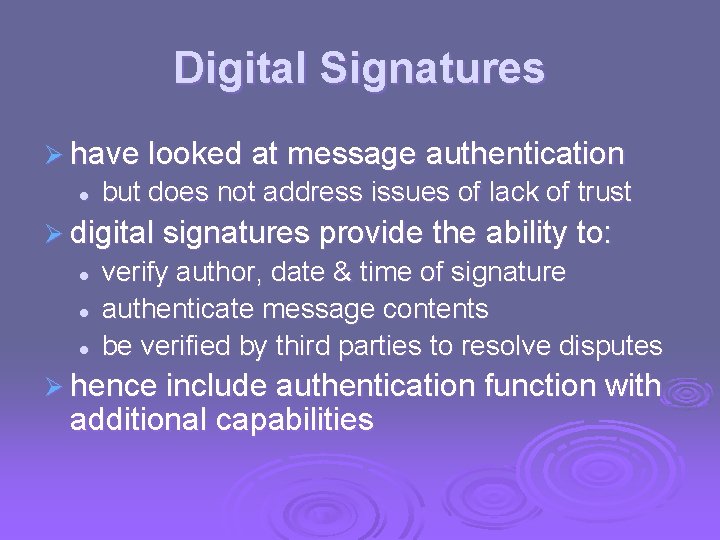
Did you know that the first electronic signature was used in 1988? Or that digital signatures are legally binding in many countries around the world? Here are some fun facts about digital signatures: The Electronic Signatures in Global and National Commerce Act (ESIGN Act) was passed in the United States in 2000, giving digital signatures the same legal weight as handwritten signatures. Digital signatures use cryptography to ensure the authenticity and integrity of documents. The most common type of digital signature uses public-key infrastructure (PKI), which involves using a pair of cryptographic keys: a public key and a private key. Digital signatures can be used to sign a wide variety of documents, including contracts, agreements, and financial records. Digital signatures are more secure than handwritten signatures because they are difficult to forge or tamper with. The adoption of digital signatures has accelerated in recent years due to the COVID-19 pandemic, as more businesses and individuals have embraced remote work and online transactions. Digital signatures are not the same as electronic signatures. Electronic signatures are a broader category that includes any electronic symbol or process that is used to sign a document, while digital signatures are a specific type of electronic signature that uses cryptography. Digital signatures offer numerous benefits, including increased efficiency, reduced costs, and improved security. They streamline workflows, eliminate the need for paper documents, and provide a tamper-proof record of transactions. As technology continues to evolve, digital signatures will play an increasingly important role in the digital economy.
How to Implement Digital Signatures in Your Business
Implementing digital signatures in your business can seem daunting, but it's a worthwhile investment that can streamline workflows, reduce costs, and improve security. Here's a step-by-step guide: 1. Assess your needs: Determine which processes and documents would benefit most from digital signatures.
2. Choose a digital signature solution: Research and compare different digital signature providers to find one that meets your needs and budget.
3. Obtain digital certificates: You'll need to obtain digital certificates from a trusted certificate authority (CA) for each person who will be signing documents.
4. Integrate the digital signature solution with your existing systems: Most digital signature providers offer APIs and integrations that allow you to seamlessly integrate their solution with your existing software, such as your CRM, ERP, and document management systems.
5. Train your employees: Provide training to your employees on how to use digital signatures properly.
6. Implement security policies: Establish security policies and procedures to ensure that digital signatures are used securely and responsibly.
7. Comply with legal requirements: Ensure that your digital signature implementation complies with all applicable legal requirements, such as the ESIGN Act and the EU's e IDAS regulation.
8. Monitor and maintain your digital signature system: Regularly monitor your digital signature system for any security vulnerabilities or performance issues. By following these steps, you can successfully implement digital signatures in your business and reap the many benefits they offer.
What If Digital Signatures Were Never Invented?
Imagine a world without digital signatures. The digital economy would be significantly hampered, and many online transactions would be impossible or highly risky. Businesses would still be reliant on paper documents, which are inefficient, costly, and environmentally unfriendly. Remote work would be more challenging, as it would be difficult to securely sign and exchange documents electronically. Online banking and e-commerce would be less secure, as there would be a greater risk of fraud and identity theft. Legal proceedings would be more cumbersome, as it would be difficult to verify the authenticity of electronic evidence. The pace of innovation would be slower, as it would be more difficult to collaborate and share information securely online. In short, a world without digital signatures would be a less efficient, less secure, and less innovative world. Digital signatures have played a crucial role in enabling the growth of the digital economy and transforming the way we do business. They have made it possible to conduct secure and reliable online transactions, collaborate remotely, and streamline workflows. Without digital signatures, the digital world would be a very different place.
Top 5 Trends Shaping the Future of Digital Signatures
Here's a listicle highlighting the key trends impacting the future of digital signatures: 1. Mobile-first signatures: With the increasing use of mobile devices, digital signature solutions are becoming more mobile-friendly, allowing users to sign documents on the go.
2. Cloud-based signatures: Cloud-based digital signature solutions offer greater flexibility, scalability, and accessibility, allowing users to sign documents from anywhere with an internet connection.
3. Biometric signatures: Biometric signatures, which use biometric data such as fingerprints or facial recognition, offer a more secure and user-friendly way to sign documents.
4. Blockchain-based signatures: Blockchain technology is being used to create tamper-proof digital signatures that are highly secure and verifiable.
5. AI-powered signatures: AI is being used to automate the digital signature process, detect fraud, and improve the user experience. These trends are shaping the future of digital signatures, making them more secure, user-friendly, and accessible than ever before. As technology continues to evolve, we can expect to see even more innovative uses for digital signatures in the years to come.
Question and Answer
Here are some frequently asked questions about the future of digital signatures and authentication:
Q: Will passwords disappear entirely?
A: While passwords may not vanish completely, they will likely become less central to authentication. Passwordless methods like biometrics and hardware keys will gain prominence.
Q: Is blockchain authentication really secure?
A: Blockchain's inherent immutability and decentralization make it highly secure, but it's not a silver bullet. The security of a blockchain-based authentication system depends on the specific implementation and the strength of the underlying cryptography.
Q: How can I convince my company to invest in better authentication methods?
A: Focus on the business benefits, such as reduced fraud, improved efficiency, and enhanced customer trust. Highlight the risks of relying on outdated authentication methods and the potential return on investment from implementing modern solutions.
Q: What's the biggest challenge facing the adoption of new authentication technologies?
A: User adoption is a significant challenge. People are often resistant to change, so it's important to make new authentication methods as user-friendly as possible and clearly communicate the benefits.
Conclusion of The Future of Digital Signatures and Authentication: What You Should Expect
The future of digital signatures and authentication is bright, promising a more secure, efficient, and user-friendly digital experience. By embracing emerging technologies like biometric authentication, blockchain integration, and decentralized identity, we can build a more trustworthy digital world where individuals and organizations can confidently participate in online transactions and interactions. The key is to stay informed, adapt to change, and prioritize security and user experience in equal measure. The transition may require effort and investment, but the rewards will be significant, paving the way for a future where digital trust is not just an aspiration, but a reality.

